If a hamlet's median home price climbs 10 percent in a year, why are those same homes sitting on the market two months instead of two weeks? That is the question sitting underneath every "Micron is transforming Central New York" headline once you get down to a specific street in Jamesville.
The region-wide story is real. The number, the pace of construction, the state funding behind it, none of that is exaggerated. What gets exaggerated is the assumption that every town wearing the Micron label is experiencing the same market. Jamesville's own numbers say otherwise, and the gap between the pitch and the paperwork is worth understanding before you write an offer or set a list price.
The Pitch You've Probably Already Read
Scroll enough Jamesville-area listings this year and you'll notice the copy starts sounding the same. A build-ready lot gets described as a chance to catch a once-in-a-generation wave. A parcel near the Jamesville-DeWitt school district gets framed around its drive time to the new semiconductor campus rather than its soil, its setbacks, or its school bus route. One listing for a 1.28-acre parcel near Drumlins Golf Course leads with its 20-minute drive to Micron's new campus before it mentions the view.
The pitch goes something like this: historic economic transformation is underway, demand is unprecedented, and this parcel sits at the center of it.
That framing isn't wrong about the region. It's incomplete about the hamlet.
What the Micron Money Is Actually Building
Micron's $100 billion investment in its Clay, New York site is the largest private investment in state history, and it's projected to support more than 50,000 permanent jobs once the facility is fully operational. That scale is why New York State launched the Housing Central New York Fund, a $150 million public-private financing tool seeded with $30 million from Empire State Development and backed by Micron and local lenders, aimed at supporting at least 2,500 new workforce housing units over its first seven years.
Micron has also been writing checks directly into the region. In March 2026 the company announced $35.5 million in new community investments covering housing, transportation, childcare, and workforce programs, part of a larger $500 million Green CHIPS Community Investment Fund shared between Micron, the state, and local partners. Regional development leaders have pointed to roughly 100 housing projects now underway across Central New York as a direct result.
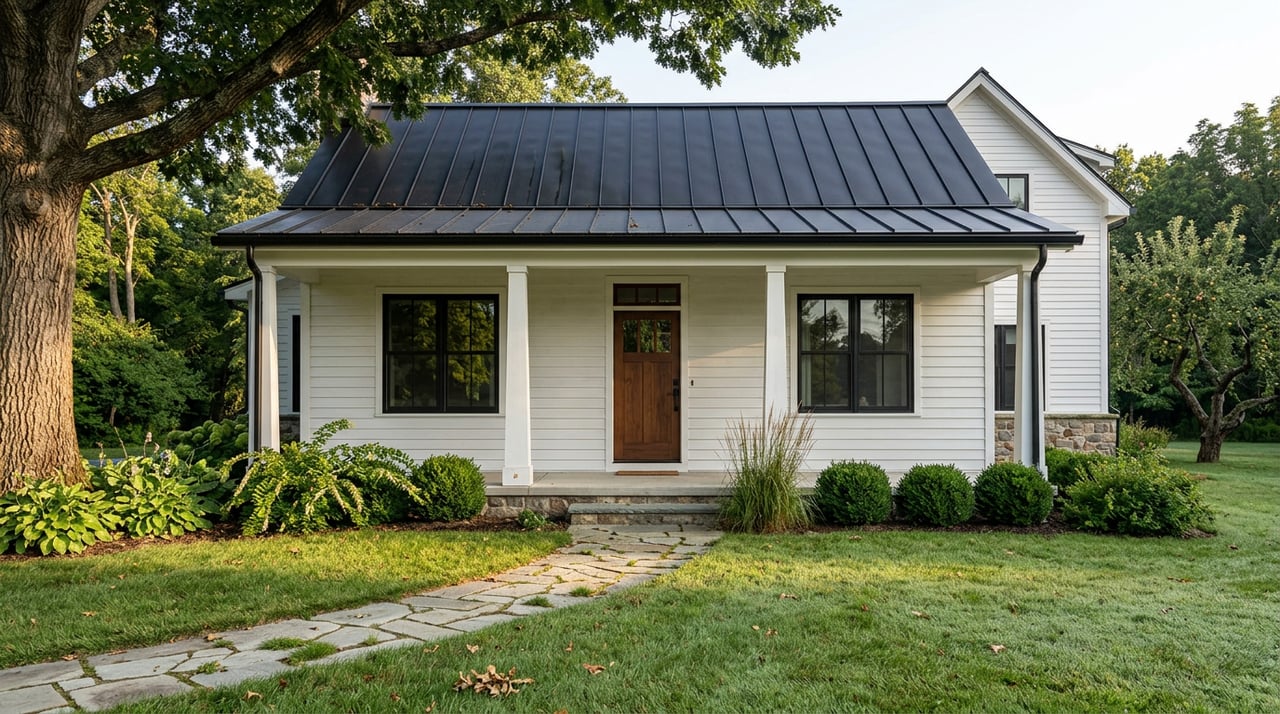
None of that money is earmarked for Jamesville specifically. It's regional. And a hamlet seven miles outside Syracuse, with homes dating back to the 1850s through the 1880s alongside split-levels and colonials from the postwar boom, doesn't absorb regional momentum the same way a commercial corridor town does.
Same Region, Different Speed
Compare Jamesville to Cicero, a town positioned closer to Micron's Clay site than Jamesville is. The two markets are telling almost opposite stories right now.
| Market Signal | Jamesville | Cicero |
|---|---|---|
| Median sale price | $447,500, up 10 percent year over year | Roughly $250,000 in the three months ending April 2026, down 7.5 percent from the year before |
| Typical days on market | 66 days | About 25 days in that same window, down from 38 the year before |
| Housing stock | Colonials priced from $335,000 to $621,000, mixed with older farmhouses and postwar ranches | Newer construction alongside older ranch and colonial resales |
Cicero is moving fast but its price hasn't caught up to the narrative yet. Jamesville's price is climbing but its pace hasn't. Neither town is behaving the way the regional headline predicts on its own. That's the actual lesson: proximity to Micron changes different metrics in different places, and you cannot assume speed and price move together just because a press release says growth is coming.
For Jamesville specifically, the 66-day average matters because it means a seller pricing off the region's momentum, rather than off actual local absorption, risks sitting longer than expected. It also means a buyer worried about a bidding war in Jamesville the way one might expect in Cicero is probably worrying about the wrong market.
The Line Nobody Puts in the Listing Headline
Here's the friction that catches people off guard once they get past the marketing copy. A meaningful share of Jamesville's build-ready land, including higher-end lots like the 5.49-acre parcel at Whitney Farm Estates, requires private well and septic rather than municipal water and sewer. That's not a flaw. Plenty of buyers specifically want the acreage and privacy that comes with rural utilities. But it changes the math and the timeline in ways a Micron-driven price story doesn't mention.
A few things worth knowing before you're under contract on a well-and-septic property in this area:
- Mortgage lenders and local health departments usually require well and septic inspections before settlement, according to the Water Systems Council's guidance for real estate professionals.
- Septic repairs run an average of $1,775, but can range from $170 to $6,100 depending on what's actually wrong, according to cost data compiled by Angi from services performed in the Jamesville area.
- A full septic tank replacement averages $7,350, with a range from $470 to $22,500 depending on tank size and site conditions, per that same Angi data.
- A poorly maintained septic system can affect well water quality on the same property, so the two systems should be evaluated together, not separately.
This is where a construction background actually matters more than a market headline. Knowing what a healthy leach field looks like, or what a five-year-old D-box repair tells you about how the rest of the system was maintained, changes how you negotiate a Jamesville deal far more than knowing Micron's total investment figure does.
What This Means If You're Watching Jamesville Right Now
If you're a buyer drawn to Jamesville because of the regional growth story, the practical takeaway is patience without complacency. Sixty-six days on market is not a sign the hamlet is stagnant. It's a sign that inventory here moves on its own rhythm, shaped by older housing stock, rural lot sizes, and private utilities, not by the same forces pushing Cicero's pace.
If you're a seller, price against Jamesville's own comparables rather than against what a corridor town three exits away is doing. A 10 percent year-over-year gain is real, but a listing priced as if the Micron effect has fully arrived here risks the exact 66-day wait the data already shows.
If you're evaluating land specifically because it sits in the Jamesville-DeWitt or Fayetteville-Manlius school district, confirm which district applies to a given parcel before you fall for the view. Nearby lots split across both districts depending on the road, and that detail matters more to daily life than a drive-time estimate to a jobsite that isn't finished yet.
A Couple of Questions Worth Answering Directly
Does the Jamesville-DeWitt school district cover all of Jamesville? No. Some Jamesville-area parcels, including estate lots like Whitney Farm Estates, sit in the Fayetteville-Manlius school district instead, while other nearby properties fall under Jamesville-DeWitt. Always confirm the specific district tied to a parcel rather than assuming based on the hamlet name.
Will Jamesville's slower sale pace change as Micron construction continues? It's reasonable to expect gradual movement as workforce housing initiatives like the Housing Central New York Fund add supply and commuters look further from the Clay site for value. But nothing in the current data suggests Jamesville is about to trade at Cicero's pace. The two markets are responding to the same regional catalyst in different ways, and that pattern is more likely to continue than reverse in the short term.
Talk to Someone Who Knows the Difference Between the Pitch and the Parcel
Regional growth stories are useful context, not a pricing strategy. If you're trying to figure out what a specific Jamesville property, whether it's an older farmhouse on a quiet road or a new build on a well-and-septic lot, is actually worth in this market, that's a conversation worth having before you write an offer or set a list price. Lee Baldwin has spent years reading Central New York's construction and resale patterns block by block, and offers a Schedule Free Consultation for buyers, sellers, and investors trying to separate the regional headline from the local number that actually matters.