Two homes sold in the Village of Baldwinsville in June 2026. Just two. That's the entire sample behind the number that shows up when a portal tells you the village's median sale price rose 20.6 percent year over year to $342,000. A year earlier, six homes closed in the same month. Six sales moving to two sales is not a market cooling. It's a market where the median can swing on the strength of whoever happened to list a house that particular June.
Meanwhile, a few miles out from Paper Mill Island and the historic downtown along the Seneca River, a different set of numbers describes a calmer picture. Baldwinsville taken as a whole, town limits included, the outlying stretches of Lysander and Van Buren folded in, put its three-month median sale price at $317,000 through May 2026, up a flat 0.003 percent from a year earlier. Eight homes sold that month, down from fourteen the year before, but eight is still enough to smooth out the kind of noise that two sales can't.
Same town. Same school district for most of it. Two numbers that barely resemble each other, and a third one waiting once you check the current list prices instead of closed sales.
The Village Median Moved on Two Sales
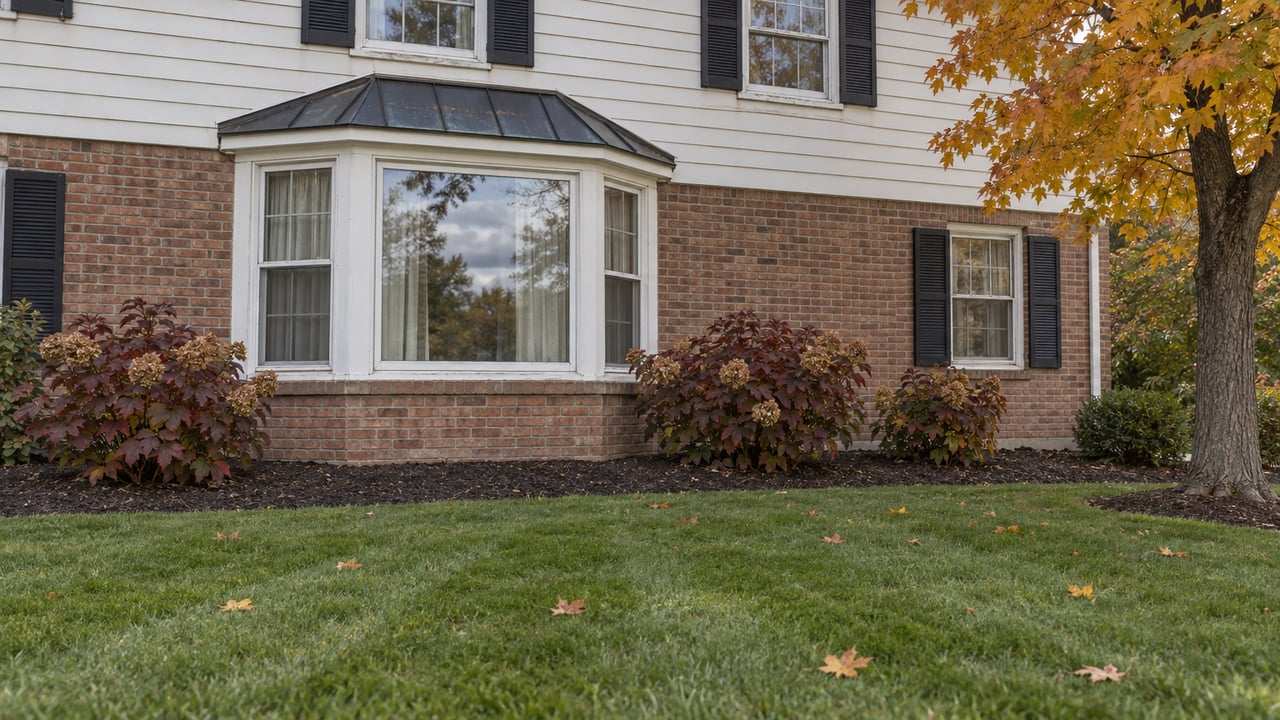
The Village of Baldwinsville, the walkable core built around Oswego and East Genesee streets and the river that splits it, is a small inventory pool by design. It's mostly older housing stock, Cape Cods and bungalows dating to the 1940s and 1950s with some construction going back to the early 1900s, sitting on lots that rarely turn over because there isn't much land left to build on inside the village line.
When only two of those homes trade in a month, the median isn't describing a market so much as describing those two specific houses. Price per square foot in the village ran $233 through the same three-month window, up 24.6 percent year over year, which sounds like a scorching seller's market until you notice the other side of that same data set: homes in the village took an average of 34 days to sell, up from 14 days the year before. That's not a market where buyers are racing each other to close. It's a market where sellers can afford to wait, because there are so few comparable homes coming up that a patient asking price eventually finds its buyer.
The Ring Around the Village Tells a Calmer Story
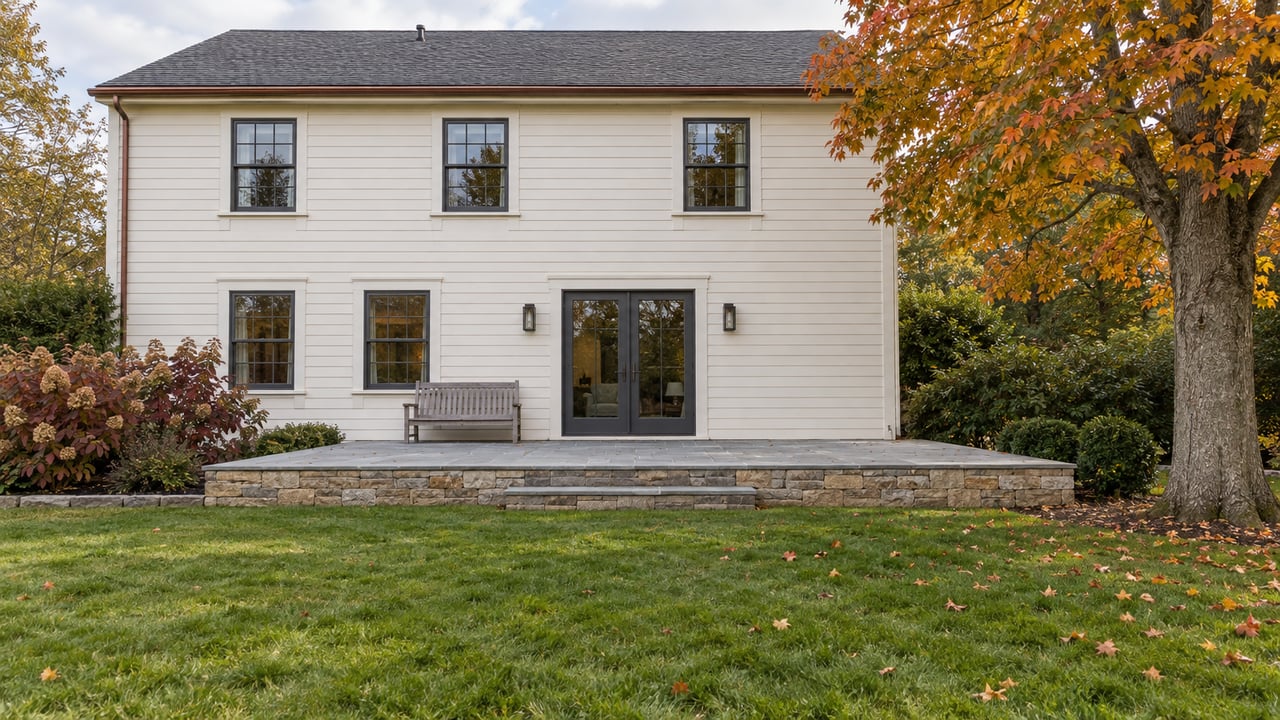
Drive out past the village line and the inventory changes character. Timber Banks Golf & Marina Community, built around a Jack Nicklaus-designed course near the confluence of the Seneca, Oswego, and Oneida rivers, has been delivering new construction on a rolling basis, with builder J. Alberici & Sons offering move-in-ready plans alongside resale homes just a few years old. Treybrook, off Dove Road, is adding a new section of low-maintenance townhomes. Whitetail Woods gives buyers a custom-build option through Smolen Homes on larger lots still inside the Baldwinsville Central School District boundary. Radisson, closer to the three-river confluence itself, has its own marina and a steady trickle of resale ranch and split-level product.
These communities don't have the village's scarcity problem. New sections keep opening, builders keep quoting floor plans, and the result shows up in the town-wide numbers: more monthly sales, a price per square foot around $203 rather than $233, and days on market at 17 rather than 34. It's a market that behaves the way most suburban new-construction markets behave, predictable inventory feeding predictable turnover.
| Metric | Village of Baldwinsville | Baldwinsville (town-wide) |
|---|---|---|
| Median sale price | $342,000 (through June 2026) | $317,000 (through May 2026) |
| Year-over-year change | +20.6% | +0.003% |
| Price per square foot | $233 (+24.6% YoY) | $203 (+3.6% YoY) |
| Average days on market | 34 (up from 14 a year ago) | 17 (up from 11 a year ago) |
| Homes sold, latest month | 2 (June 2026, down from 6) | 8 (May 2026, down from 14) |
Same Town, Different Kind of Scarcity
The counterintuitive part isn't that the village costs more per square foot. Older, smaller homes in a walkable river-adjacent core commanding a premium over new construction on the edge of town is a familiar pattern. The counterintuitive part is that the village is both pricier and slower to sell at the same time.
That combination usually means one of two things: sellers overreaching on price, or a true scarcity of comparable inventory that lets a well-priced home wait for the right offer rather than the first offer. Given that the village's sales volume dropped by two-thirds year over year while its price per square foot climbed by nearly a quarter, scarcity reads as the more likely explanation. There simply aren't enough listings in that footprint to generate the kind of competitive bidding that produces a fast sale. The regional growth story tied to the Micron project in neighboring Clay has been cited as a draw for new residents into Baldwinsville generally, and if that demand keeps arriving while the village's buildable land stays fixed, the pattern of few sales and rising per-square-foot cost is one worth watching rather than assuming will correct on its own.
What Each Side Actually Buys
A buyer choosing between these two Baldwinsvilles isn't choosing between "expensive" and "affordable." They're choosing between two different products.
Inside the village, the draw is proximity: a short walk to Lock 24, the restaurant built on the Erie Canal's 24th lock with river views and a full American and northeastern seafood menu, or to Suds Factory River Grill, B-ville Diner, Angry Smokehouse, and Sweet Dream Candy Shoppe along the same downtown stretch. Paper Mill Island hosts concerts and family events through the season, the Bud Light Amphitheater anchors Seneca River Days each June, and McHarrie Park's peony gardens draw a crowd for the annual Peony Fest. Oktoberfest, run as a nonprofit fundraiser, and the Rotary Club's "anything that floats" race during Seneca River Days round out a calendar that a village address puts within walking distance of.
Out in Timber Banks, Treybrook, Whitetail Woods, or Radisson, the draw is the house itself: a golf membership or a marina slip, a floor plan with a home office and a walk-in pantry, an ADA-accessible ranch design with an oversized garage, or a townhome with low-maintenance living built into the pitch from day one. None of it is walkable to downtown Baldwinsville, but all of it sits inside commuting range, with I-690 running the roughly 15 miles into Syracuse and Syracuse Hancock International Airport about the same distance to the east.
The Number You'll See Depends on Which List You're Reading
Check a portal today and you'll find a fourth number layered on top of the two above. As of September 2026, current listings across Baldwinsville show a median list price of $273,000, with homes spending a median of just 5 days on market, unchanged from September 2025. That's a list-price snapshot of what's currently for sale, not a sold-price median of what actually closed, and the gap between $273,000 asking and $317,000 closing tells its own story about how quickly priced-right inventory in this town gets absorbed.
Pull the lens out to a full trailing twelve months and the picture steadies again: median sale price of $286,100, up 4 percent year over year, with average days on market at 33, well under the national average of 54. That twelve-month figure smooths out the two-sale blip in the village and the seasonal dip in current listings, which makes it the most stable single number available, but even that stability comes from blending two markets that, as the figures above show, aren't moving at the same speed.
What This Means If You're Comparing Baldwinsville to Somewhere Else
If you're cross-shopping Baldwinsville against Cicero, Clay, or Liverpool using a single median price pulled from a portal, ask which slice of Baldwinsville that number is describing. A village-core figure and a town-wide figure can differ by tens of thousands of dollars and by nearly three weeks of average market time, all under the same town name. Price per square foot travels better across that split than the raw median does, since it corrects for the fact that a 1948 bungalow and a 2,500-square-foot new build in Treybrook aren't the same product to begin with.
For a seller in the village, the twin numbers of low volume and rising price per square foot suggest room to price with conviction rather than urgency, provided the home is genuinely comparable to what little else has traded recently. For a buyer weighing new construction against the walkable core, the honest comparison isn't which side is "worth more." It's which product, golf-course new build or river-adjacent character home, matches what you're actually trying to buy.
Is the Village of Baldwinsville different from the town of Baldwinsville? Yes. The village is the incorporated historic core along the Seneca River. The town-wide figures include the surrounding areas of Lysander and Van Buren, where most of the newer subdivisions sit.
Why did the village's median rise 20 percent year over year? Volume. Only two homes sold in June 2026 compared to six a year earlier, and a sample that small lets a couple of higher-priced closings move the median sharply in either direction.
Are the new-construction communities in the same school district as the village? Several, including Whitetail Woods, market themselves within the Baldwinsville Central School District. Always confirm district assignment for a specific address before assuming, since boundaries can vary by street even within the same town.
If you're trying to figure out which side of Baldwinsville actually fits what you're looking for, or you want a straight read on what a specific address is really worth against these numbers, Lee Baldwin has walked both the village core and the new-construction side of this market and can help you tell the difference before you make an offer.