Thinking about moving to Manlius? One of the biggest surprises for relocation buyers is that Manlius is not just one neighborhood with one feel. It is a collection of village centers, residential pockets, and more open areas that can live very differently day to day. If you want a clearer picture of what each part of town offers, this guide will help you compare the main areas and narrow down what fits your lifestyle best. Let’s dive in.
Manlius at a glance
The Town of Manlius sits east of Syracuse and covers about 49.15 square miles. According to the latest Census QuickFacts estimate, it has 32,864 residents, 13,992 households, and an owner-occupied housing rate of 81.8%.
That data points to an established community with a strong base of long-term homeowners. Census figures also show a median household income of $113,449, a median owner-occupied home value of $253,600, and a mean commute time of 21.2 minutes.
Another useful detail is that Manlius includes three separate villages: Fayetteville, Manlius, and Minoa. That matters because a property may carry a Fayetteville or Manlius mailing address even when it is technically outside that incorporated village boundary.
Why Manlius can feel confusing
For many buyers, the first challenge is simply understanding what “Manlius” means on a listing. A village name, mailing address, and municipal boundary do not always line up the way you might expect.
This is especially true in Fayetteville and Manlius, where mailing addresses can extend beyond the actual village lines into neighboring town territory. If you are relocating, it helps to confirm whether a home is inside a village or in the surrounding town, because that can affect municipal services and the overall neighborhood feel.
Town materials also note a practical service difference. Residents inside the villages of Fayetteville, Manlius, and Minoa use village public works systems for things like trash and brush, while town residents outside the villages may be part of the town district unless they opt out.
Fayetteville: walkable village feel
Fayetteville is often the easiest part of Manlius to picture if you want a classic village setting. It has the strongest walkable village-core feel in town, with a defined business district, neighborhood streets, and access to greenway space.
The village describes Limestone Plaza as a lower-village district with retail, restaurants, some residences, and creek and greenway access. That mix can appeal to buyers who want everyday convenience and a more connected street pattern.
Fayetteville also stands out for its historic character. Village history materials note that many Greek Revival homes still line Genesee Street Hill, which gives parts of the area a distinct architectural identity.
If you are drawn to older homes, a recognizable center, and a setting that feels more traditionally village-oriented, Fayetteville is often a strong place to start. It is likely the best fit for buyers who want the most walkable environment within Manlius.
Village of Manlius: compact and historic
The Village of Manlius offers a smaller historic-center feel than Fayetteville. It is a compact historic community just southeast of Syracuse, with roots going back to 1792 and incorporation by 1813.
The village is home to the Manlius Village Historic District. Its history describes the area as Onondaga County’s first village and an early trade and political center on the state’s east-west settlement route.
For buyers, that history shows up in the housing stock and street character. The old-village historic district includes 46 buildings, most dating from 1813 to 1825, which points to a concentration of village-era homes and a distinctly older built environment.
If you want a neighborhood with a compact footprint, established character, and historic identity, the Village of Manlius may be a strong match. It tends to suit buyers who appreciate older homes and a small, traditional center.
Minoa: village center plus newer options
Minoa is the third incorporated village within the town, and it offers a different mix than Fayetteville or the Village of Manlius. It functions as its own village-center pocket around North Main Street, with local government, community programming, and local businesses anchoring the area.
One reason Minoa often stands out to buyers is the presence of newer residential activity in and around Minoa Farms. Town and village records show approved single-family home development there, making this one of the more visible spots for newer subdivision-style housing within Manlius.
That makes Minoa worth a closer look if you want some village-center structure but also hope to find newer single-family options nearby. Compared with the older historic cores, it can offer a more blended feel.
Hamlet and corridor areas: more space and variety
Outside the three villages, Manlius includes several hamlet pockets and road-based areas identified in town planning documents. These include Fremont, Kirkville, Mycenae, North Eagle Village Road, Salt Springs, Duguid Road, North Burdick Street, and the Manlius Center and Green Lakes corridor.
These outer areas tend to feel more semi-rural or corridor-oriented than the village centers. Town planning documents describe more open space, agricultural land, and larger or more irregular parcels in these parts of Manlius.
For some buyers, that extra space is the main draw. If you want a property with a more rural edge, less village density, or a setting shaped more by roads and open land than by a central downtown, these areas may be a better fit.
Housing can also vary more from one pocket to the next. Rather than one consistent neighborhood style, you may see a mix of older homes, newer homes, and parcels with very different lot sizes and layouts.
Housing styles across Manlius
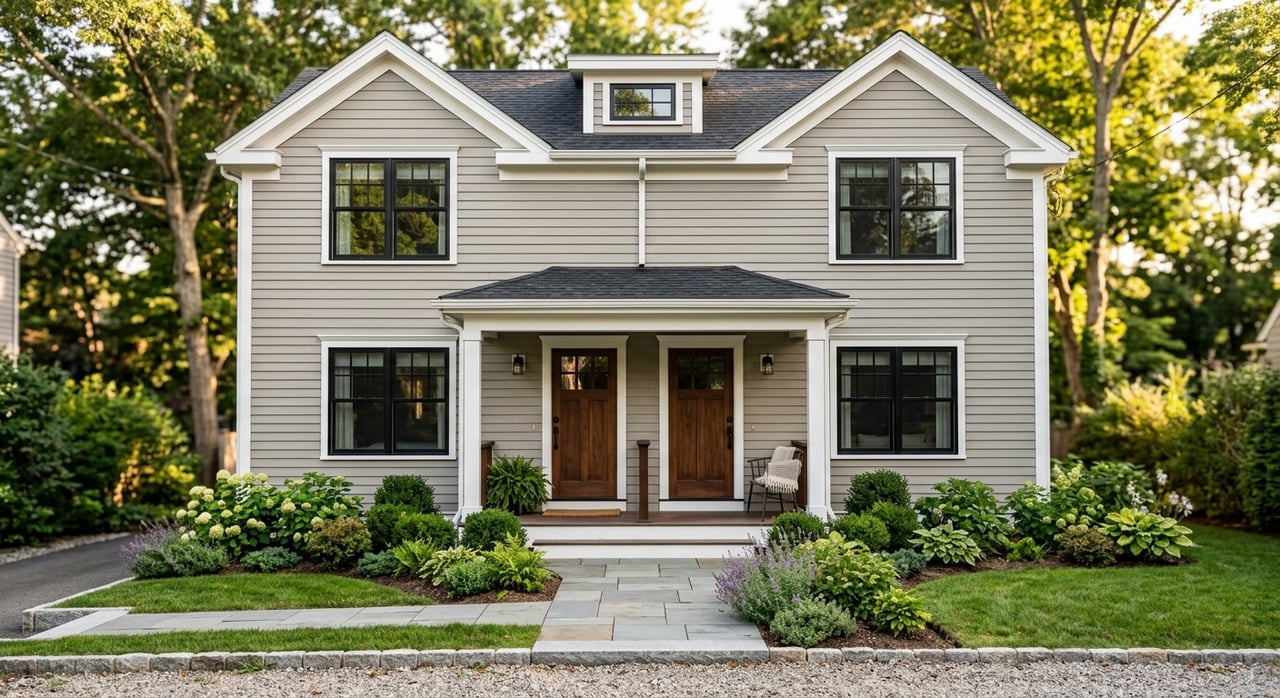
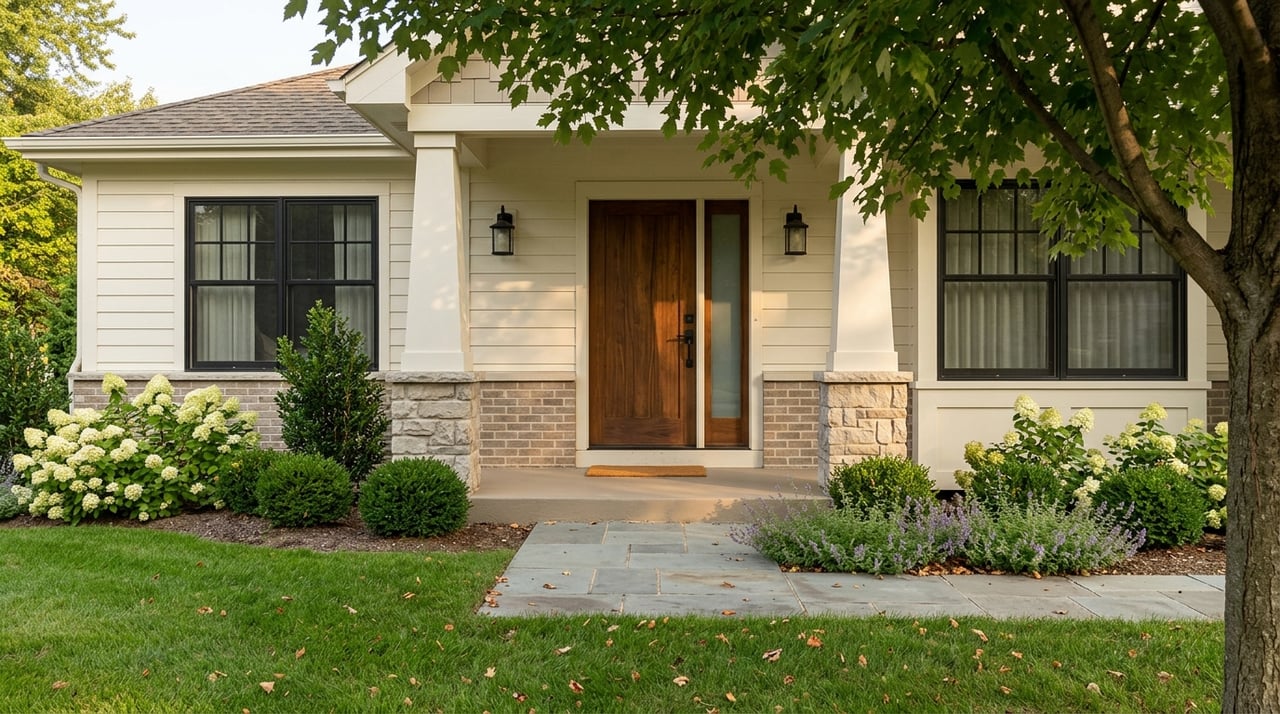
One of the most helpful ways to think about Manlius is as a patchwork. It is not a town with one dominant housing type. Instead, it includes historic village homes, newer subdivision houses, and corridor or edge-area properties shaped by ongoing planning and redevelopment.
The historic side is easy to spot in certain places. Fayetteville is known for Greek Revival homes on Genesee Street Hill, while the Village of Manlius includes an early historic district with buildings dating to the early 1800s.
Town historic references also point to places like the limestone Mycenae Schoolhouse and the Charles Estabrook or Wellington House, which is noted for Tudor Revival architecture. These examples reinforce that older housing in Manlius can come with real architectural variety.
At the same time, planning efforts in the Burdick-Genesee corridor describe a mix of large-, medium-, and small-scale development patterns, including single-family residential uses. The town is also considering infill, mixed use, complete streets, traffic calming, and higher-density housing in parts of that corridor.
For you as a buyer, that means it is smart to compare areas block by block and road by road. The home style, lot shape, and surrounding development pattern can shift quickly depending on where you are in town.
Getting around Manlius
Travel patterns are another big part of how each area feels. Major roads help connect Manlius to Syracuse and the rest of Central New York, but they also shape how residential pockets function.
The main travel spines identified by the town include Route 5 or East Genesee Street, Route 92 or Cazenovia Road and Highbridge Road, Route 173 or Seneca Turnpike, Route 257 or F-M Road, Route 290 or Manlius Center Road and Green Lakes Road, and Route 298 or Collamer-Bridgeport Road.
If commuting or day-to-day access matters to you, pay attention to how close a home sits to the route you will use most often. Two homes with the same Manlius mailing label can have very different driving patterns depending on which side of town they are on.
What type of buyer fits each area
If you are trying to narrow your search, this simple breakdown can help:
- Fayetteville: Often the best fit if you want the most walkable village-core feel and the strongest historic streetscape.
- Village of Manlius: Often the best fit if you want a compact historic village center and older village-era housing.
- Minoa: Often the best fit if you want a village center with newer single-family options nearby.
- Fremont, Kirkville, Mycenae, and corridor areas: Often the best fit if you want more space, a more rural edge, or a mix of older and newer housing.
None of these options is universally better than the others. The right fit depends on whether you value walkability, lot size, housing age, architectural character, or easier access along major routes.
Final thoughts on moving to Manlius
Manlius appeals to many relocation buyers because it offers real variety within one town. You can find historic village settings, newer single-family development, and more open semi-rural pockets without going far from Syracuse.
The key is not to treat Manlius as one single neighborhood. It works better to think of it as a set of distinct places, each with its own layout, housing mix, and daily rhythm.
If you want help comparing homes in Fayetteville, the Village of Manlius, Minoa, or the surrounding hamlet and corridor areas, Lee Baldwin can help you sort through the options and find the right fit for your move.
FAQs
What is the difference between Manlius town and the villages within Manlius?
- The Town of Manlius includes three separate village governments: Fayetteville, Manlius, and Minoa, so a mailing address or listing location may not always match the exact municipal boundary.
Which part of Manlius feels the most walkable?
- Fayetteville is generally the clearest option for buyers who want the most walkable village-core feel, with a business district, restaurants, retail, and greenway access.
Does Manlius have historic homes?
- Yes, Manlius includes historic housing in several areas, including Greek Revival homes in Fayetteville and village-era buildings in the Village of Manlius historic district.
Where can you find newer homes in Manlius?
- Minoa is one of the more obvious places to look for newer single-family development, especially in and around Minoa Farms.
Are all Manlius neighborhoods similar?
- No, Manlius is better understood as a patchwork of historic village streets, newer subdivision areas, and more open hamlet or corridor locations with different lot sizes and layouts.
What should relocation buyers double-check when shopping in Manlius?
- It is wise to confirm whether a home is inside a village or in the surrounding town, since mailing addresses, municipal boundaries, and service districts are not always the same.